


Quick Links
UFE vs Myomectomy vs Ablation: Understanding Your Options
Women suffering from uterine fibroids symptoms typically prefer treatments that preserve their uterus. The three main uterine-sparing treatments available are Uterine Fibroid Embolization (UFE), Myomectomy, and Endometrial Ablation. Understanding each procedure helps make an informed decision.
What is Myomectomy?
Myomectomy involves surgically removing fibroids while leaving the uterus intact. It can be performed via:
- Open Myomectomy: Requires a large abdominal incision, hospitalization, and a 6-8 week recovery.
- Hysteroscopic Myomectomy: Minimally invasive, through the vagina, suitable for small fibroids.
- Laparoscopic Myomectomy: Minimally invasive with smaller abdominal incisions, leading to a shorter recovery.
Risks include significant blood loss, potential blood transfusions, and the possibility of further surgeries due to incomplete fibroid removal.
What is UFE?
Uterine Fibroid Embolization (UFE) is a minimally invasive outpatient procedure performed by an interventional radiologist. Under sedation, a small needle puncture in the wrist or groin is used to insert a catheter. Embolic particles are then injected to block blood flow to the fibroids, causing them to shrink significantly and resolve symptoms typically within three months.
Advantages of UFE:
- Minimal blood loss and lower risk.
- Shorter recovery (typically less than a week).
- Addresses all fibroids simultaneously.
- Lower recurrence rate compared to myomectomy.
- Fertility preservation with reported successful pregnancies post-UFE.



What is Endometrial Ablation?
Endometrial ablation involves removing or destroying the lining of the uterus, typically to reduce heavy menstrual bleeding. It does not eliminate fibroids or their growth and symptoms.
Key Differences Between Ablation and UFE:
| Factor | Ablation | UFE |
| Procedure Type | Performed by OB/GYN | Performed by Interventional Radiologist |
| Treats Fibroids | No | Yes, treats all fibroids simultaneously |
| Effect on Fertility | Pregnancy not recommended due to high risk | Fertility typically preserved |
| Uterine Lining | Destroyed | Intact |
| Recovery Time | Short (few days to weeks) | Very short (less than a week) |
Fertility Considerations:
- Myomectomy is traditionally recommended for fertility; however, recurrence and scar tissue may complicate future pregnancies.
- UFE offers similar fertility outcomes with greater timing flexibility for pregnancy.
- Endometrial Ablation significantly reduces or eliminates the possibility of safe pregnancy post-procedure.
Long-Term Outcomes:
- Myomectomy has a high fibroid recurrence rate (~60% within five years).
- UFE demonstrates a 90% success rate with minimal recurrence.
- Ablation does not address fibroids, and symptoms may persist or recur.
Providers


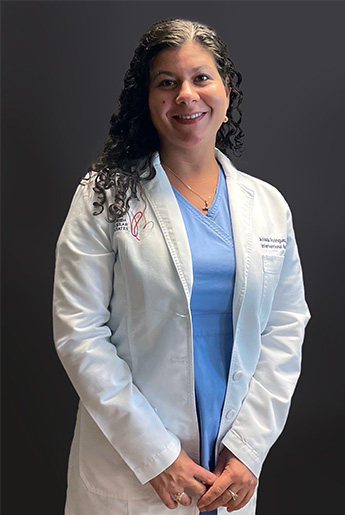

Choosing the Right Treatment:
At South Florida Vascular Associates, our expert interventional radiologists provide detailed consultations to explore all treatment options and help choose the best procedure for your individual needs.

Dr. William Julien, MD, is a nationally recognized, board-certified vascular interventional physician and President of South Florida Vascular Associates, known for advancing minimally invasive, outpatient vascular care. Trained at top institutions and fellowship-trained in interventional radiology, he brings deep expertise to the treatment of complex conditions including abdominal aortic aneurysm, PAD, BPH, uterine fibroids, and venous disease. A former chief and director of interventional radiology for multi-hospital systems, Dr. Julien is actively involved in device trials, national endovascular education, and leadership within major professional societies. He also pioneered one of the nation’s first advanced outpatient endovascular surgery suites, reinforcing his role as an innovator shaping the future of vascular intervention.