


Quick Links
Choosing uterine fibroid embolization (UFE) is a significant step toward lasting relief from fibroid symptoms. At South Florida Vascular Associates, our team is committed to making your recovery as smooth, comfortable, and predictable as possible. Because UFE is a minimally invasive procedure, most women experience a much easier recovery compared to traditional surgical treatments.
Immediately After Your Procedure
Once your UFE is complete, you will rest in our recovery area for a few hours. During this time, our clinical team will closely monitor you to ensure you are stable, comfortable, and ready to return home the same day.
During your recovery period in the practice, we will:
- Monitor your blood pressure, heart rate, and comfort level
- Manage cramping or discomfort proactively
- Provide fluids and medications as needed
- Review detailed discharge and recovery instructions with you and your caregiver
Before you leave, we make sure you feel confident about what to expect over the next several days.
The First Few Days at Home
The first 48–36 hours are typically when you may feel the most symptoms, as the treated fibroids begin to shrink. This response is expected and is part of the normal healing process.
You may experience:
- Pelvic cramping ranging from mild to moderate
- Fatigue or low energy
- Mild nausea
- Light spotting or discharge
Most symptoms gradually improve over several days. We will provide a personalized pain management plan to help keep you comfortable during this time. Rest, hydration, and following your medication schedule closely will help to support a smoother recovery.
Activity & Returning to Normal Life
One of the major advantages of UFE is that there are no formal activity restrictions after the procedure. While your body does need time to heal, you are not required to follow strict limitations.
Recovery generally follows this timeline:
- Many women resume light activities within a few days
- Most feel significantly better within about one week and return to work
- The majority of patients return to normal daily activities within 7–10 days
Although there are no specific restrictions, we recommend listening to your body. If you feel tired, allow yourself to rest. Gradually increase your activity level as your energy returns.
Pain Management & Comfort
Cramping is the most common post-procedure symptom and is usually strongest in the first few days. Our team develops an individualized comfort plan designed to minimize discomfort and support recovery.
Your plan may include:
- Anti-inflammatory medications
- Prescription pain medication
- Anti-nausea medication
- Clear hydration and nutrition guidance
Most patients find that discomfort is well tolerated with pain medications and it improves substantially after the first several days and continues to decrease steadily.
Follow-Up & Long-Term Results
Recovery from UFE is not only about feeling better in the short term, but it is also about long-term symptom relief. Fibroids shrink gradually over time, and women notice meaningful improvement in heavy bleeding, pelvic pressure, and urinary symptoms over the weeks and months following treatment.
As you heal, you will also want to attend all follow-up visits as they allow us to:
- Monitor your healing
- Evaluate symptom improvement
- Answer any ongoing questions
- Ensure optimal treatment results
At South Florida Vascular Associates, we are proud to offer advanced, minimally invasive fibroid treatment that allows women to recover quickly and return to their normal routines.
Book Your Appointment
Contact us today to schedule your appointment.
BOOK APPOINTMENT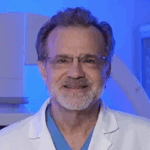
Dr. Julien has performed more than 40,000 vascular procedures across a 30-year career. Double board-certified in Interventional Radiology and Diagnostic Radiology by the American Board of Radiology, he is the co-founder and past president of the Outpatient Endovascular & Interventional Society, a national faculty speaker at SIR, TCT, VIVA, and the Southeastern Angiographic Society, and a published author. Named a Boca Magazine Top Doctor 2025.