

Varicose Veins: Causes, Symptoms, and Minimally Invasive Treatments
You’re on a beach vacation, your surroundings are exactly what you’ve dreamt of, but all you can think of is the rope-like veins down your leg, and you keep pulling down your hemline. You are not the only one who has faced something like this. Varicose veins affect approximately 23% of American adults, and for many people living in the warm, active climate of South Florida, the discomfort and self-consciousness that they cause is a real, everyday burden.
The good news? Varicose veins need not be a permanent part of your life. At South Florida Vascular Associates, we have spent 25 years providing patients with the most advanced, minimally invasive treatments without hospital stays, long recovery periods, or scalpel use.
Here is everything you need to know.
What Are Varicose Veins?
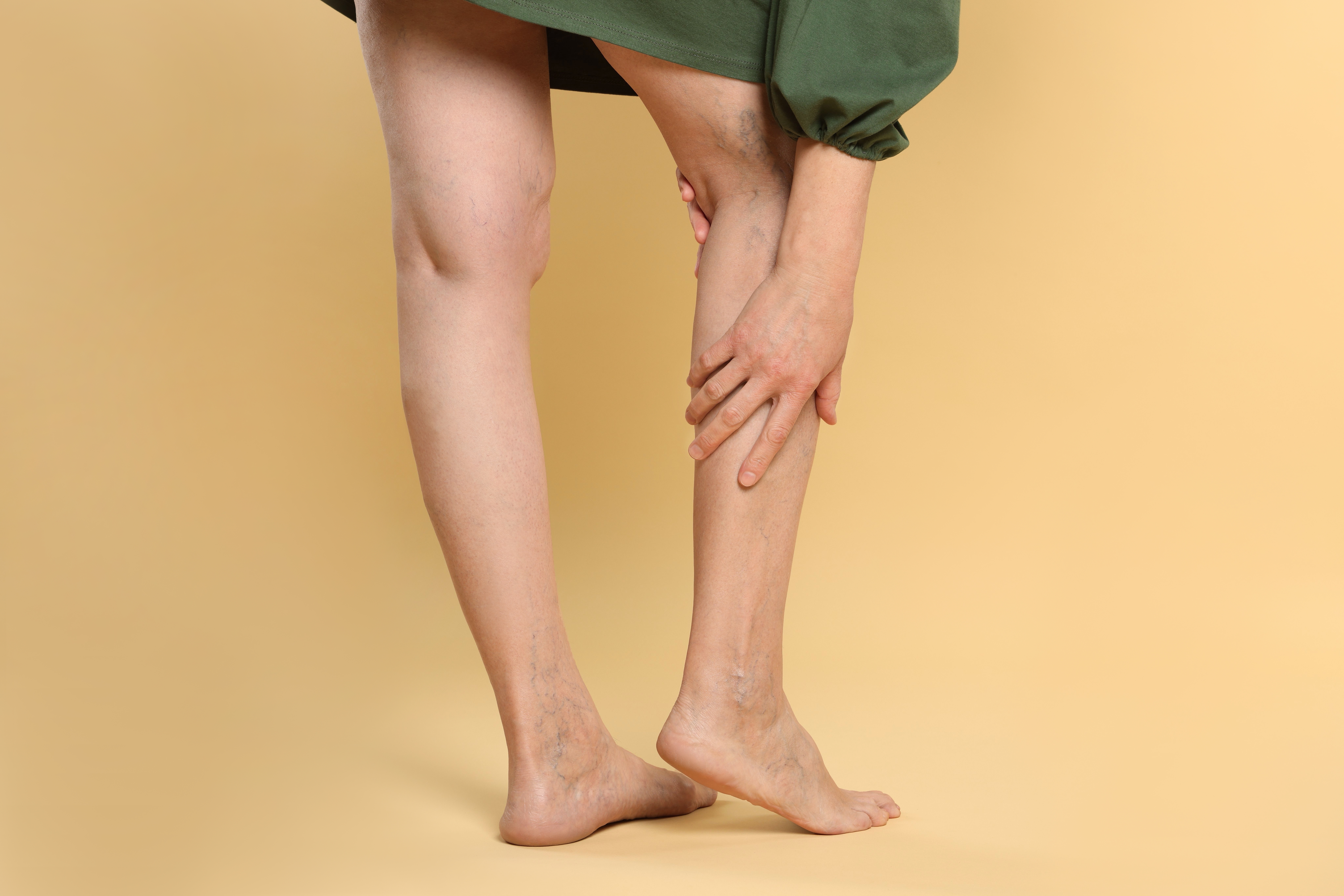
Varicose veins are enlarged, swollen veins that typically appear in the legs and feet. They develop when tiny one-way valves in the veins start to become weak or fail. These valves are usually open to let blood flow toward the heart, and then close to stop the blood from flowing back to the heart. If they malfunction, blood accumulates in the vein, resulting in swelling, twisting, and bulging under the skin.
While varicose veins are considered a cosmetic concern, they may also indicate underlying venous insufficiency, a condition in which the veins do not function properly to return blood to the heart. If left untreated, venous insufficiency may worsen and cause more serious complications.
What Causes Varicose Veins?
There are a number of factors that may make you more susceptible to varicose veins:
Age: The walls and valves of our veins become less elastic and weaker as we grow older. This is one of the most common causes of varicose veins.
Genetics: Your risk of developing varicose veins is higher if a relative or parent has them. Family history is a very good predictor of the condition.
Prolonged Standing or Sitting: Jobs that demand more standing or sitting at a desk, such as nurses, teachers, and retail workers, can affect circulation and raise the pressure in the leg veins over time.
Pregnancy: Blood volume increases during pregnancy to keep up with the baby’s needs. This extra pressure on the veins, along with hormonal changes that loosen the veins’ walls, can lead to or aggravate varicose veins.
Obesity: Overweight increases the pressure on the veins in the lower legs, making it harder for the blood to flow back to the heart.
Sex: Varicose veins are more common in women than men, mostly because of the hormonal changes that happen during pregnancy, menstruation and menopause.
Previous Blood Clots or Vein Damage: If a person has had a deep vein thrombosis (DVT) or injured any veins in the body, the valves can become damaged, making them more prone to developing varicose veins.
Recognizing the Symptoms
Symptoms of varicose veins are often not noticeable at first, but when they do, they can greatly impact your quality of life. Watch for:
- Dark blue or purple, cord-like veins under the skin that are bulging and visible
- Pain or heaviness in the legs, particularly after standing for long periods of time
- Any burning, throbbing or cramping sensation that occurs in the lower leg
- Ankle and foot swelling
- Itching around one or more veins
- The thickening or discoloration of skin around the affected veins
- Restless legs, especially at night
If you’ve noticed any of these symptoms, consider seeing a vascular specialist for an evaluation of your legs. What you may think is a minor cosmetic problem could be hiding a more serious problem with your venous circulation.
When Should You Seek Treatment?
The treatment for mild varicose veins involves making lifestyle adjustments, such as elevating your legs, wearing compression stockings or staying active, but these strategies only address comfort, not the real cause. You should consider getting evaluated by a professional if:
- Your symptoms are causing you to miss out on your activities or sleep
- The veins are not just uncomfortable; they are painful
- Changes in the skin, bleeding or sores around varicose veins are noticeable
- Conservative measures have not been sufficiently effective
- You are worried about the way your legs look, and it’s impacting your confidence
At South Florida Vascular Associates, we believe that no one should have to endure such a situation. Our team conducts an in-depth analysis to determine exactly what’s happening beneath the surface and recommends the right treatment plan for you, which may include a venous ultrasound if necessary.
Minimally Invasive Treatment Options
Varicose vein treatment no longer requires painful vein-stripping surgery that takes weeks to recover from. We offer a range of highly effective, minimally invasive procedures available today that can be performed in our office with minimal downtime.
Endovenous Laser Therapy (EVLT)
EVLT is one of the most effective treatments for larger varicose veins and the underlying venous insufficiency that causes them. The procedure involves inserting a thin laser fibre into the affected vein through a small puncture, without the need for an incision. The laser beam delivers precise energy, causing the vein wall to collapse and seal the vein. Blood is rerouted to the healthy veins around the treated vein, and over time, the painful vein disappears.
EVLT is performed under local anesthesia and is about one hour long, and most patients resume normal activities that same day or the next.
Sclerotherapy
For smaller varicose and spider veins, sclerotherapy is an effective treatment. A specialized solution is injected directly into the problematic vein using a very fine needle. This causes slight irritation of the vein, making it swell, stick together, and eventually disappear.
The procedure takes a short time, requiring no anesthesia, and can be performed on several veins at once. It’s particularly popular among patients seeking to improve the appearance of their legs without long recovery times.
Microphlebectomy (Ambulatory Phlebectomy)
Microphlebectomy is a more precise procedure for surface-level varicose veins that are too large for sclerotherapy but are not severe enough for laser therapy. A hook-like instrument is used to remove the vein segments, which are problematic, through tiny punctures, so small that they do not even require stitches. The result is smooth, clean skin without visible scarring and an incredibly fast recovery time to return to normal activities.
Why Choose South Florida Vascular Associates?
Treating varicose veins is not solely about addressing their appearance; it is about improving comfort, mobility and confidence. At South Florida Vascular Associates, Dr. William Julien and our team bring more than 40,000 procedures’ worth of experience to every patient who walks through our doors.
We treat every case individually, taking time to understand your symptoms, lifestyle and goals before recommending a treatment plan. With our presence in three accessible locations: Coconut Creek, Palm Beach and Plantation, expert care is never far away, and our spa-like environment makes your entire visit feel more special than a typical medical visit.
Take the First Step Toward Healthier Legs
If you feel held back by discomfort, self-consciousness, or both, relief from varicose veins is closer than you think. Contact South Florida Vascular Associates today to book your appointment, where our vascular experts can discuss your treatment options.
Give us a call at (954) 725-4141 or submit a consultation request online.
FAQs
1. Are varicose veins just a cosmetic problem?
Not always. While they can affect appearance, varicose veins often signal underlying venous insufficiency, which may cause pain, swelling, and skin changes if left untreated.
2. How do I know if I need treatment for my varicose veins?
If you experience leg pain, heaviness, swelling, or skin changes, or if conservative measures like compression stockings haven’t helped, it’s time to consult a vascular specialist.
3. Is varicose vein treatment painful?
Most minimally invasive treatments are performed under local anesthesia with minimal discomfort. Patients typically describe mild pressure during the procedure and manageable soreness during the short recovery afterward.
4. How long does recovery take after minimally invasive varicose vein treatment?
Most patients return to normal daily activities within one to two days. Strenuous exercise is usually restricted for about one to two weeks, depending on the procedure performed.
5. Will my varicose veins come back after treatment?
Treated veins are permanently closed and won’t return. However, new varicose veins can develop over time, especially if underlying risk factors such as genetics or prolonged standing go unaddressed.
6. Does insurance cover varicose vein treatment?
Many insurance plans cover varicose vein treatment when symptoms are medically documented. Coverage varies by provider, so our team can help verify your benefits before scheduling any procedure.

Dr. Julien has performed more than 40,000 vascular procedures across a 30-year career. Double board-certified in Interventional Radiology and Diagnostic Radiology by the American Board of Radiology, he is the co-founder and past president of the Outpatient Endovascular & Interventional Society, a national faculty speaker at SIR, TCT, VIVA, and the Southeastern Angiographic Society, and a published author. Named a Boca Magazine Top Doctor 2025.